

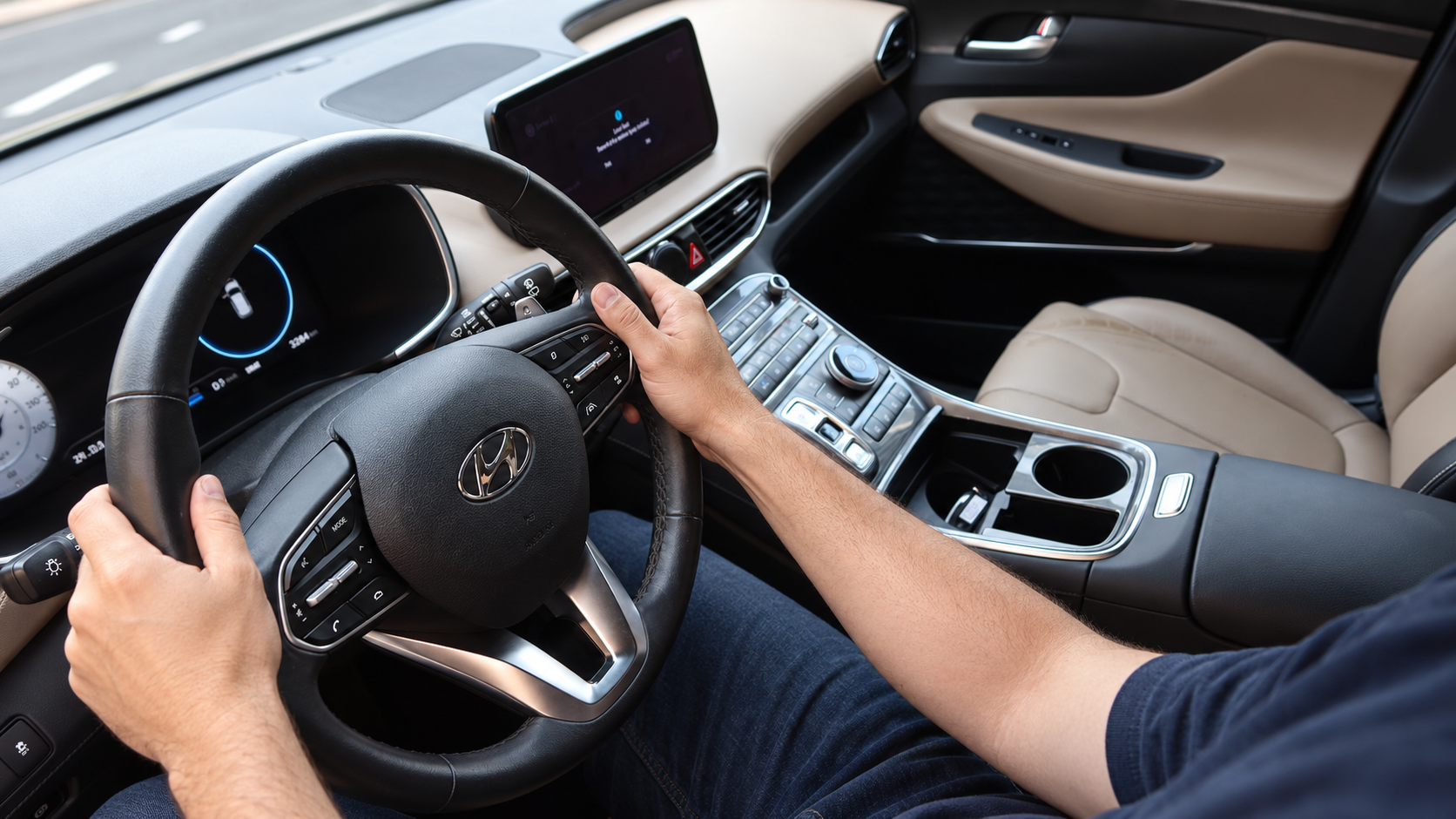
Ten years ago, the most advanced button on a normal car was cruise control. Today even a family crossover can keep its distance from the car in front, steer gently back into its lane and brake on its own. Most drivers use only a small part of this. Some never switch the systems on, others don’t understand why the car suddenly beeps or pulls the wheel.
Every brand calls these features by its own name: Toyota Safety Sense, Hyundai SmartSense, Ford Co-Pilot360, Nissan ProPILOT and so on. But the systems inside are very similar. Here is a simple guide to what they do, when they help and where their limits are.
Adaptive cruise control
Normal cruise control keeps one speed. Adaptive cruise control keeps a speed and a distance. You set, for example, 100 km/h, and the car holds it until it catches up with a slower car. Then it slows down by itself and follows at a safe gap. When the lane is free again, it speeds back up.
The distance is usually set with a button showing a small car and several lines. More lines mean a bigger gap. Many newer cars also have a stop-and-go function: in a traffic jam, the car can stop completely and move off again when the traffic moves.
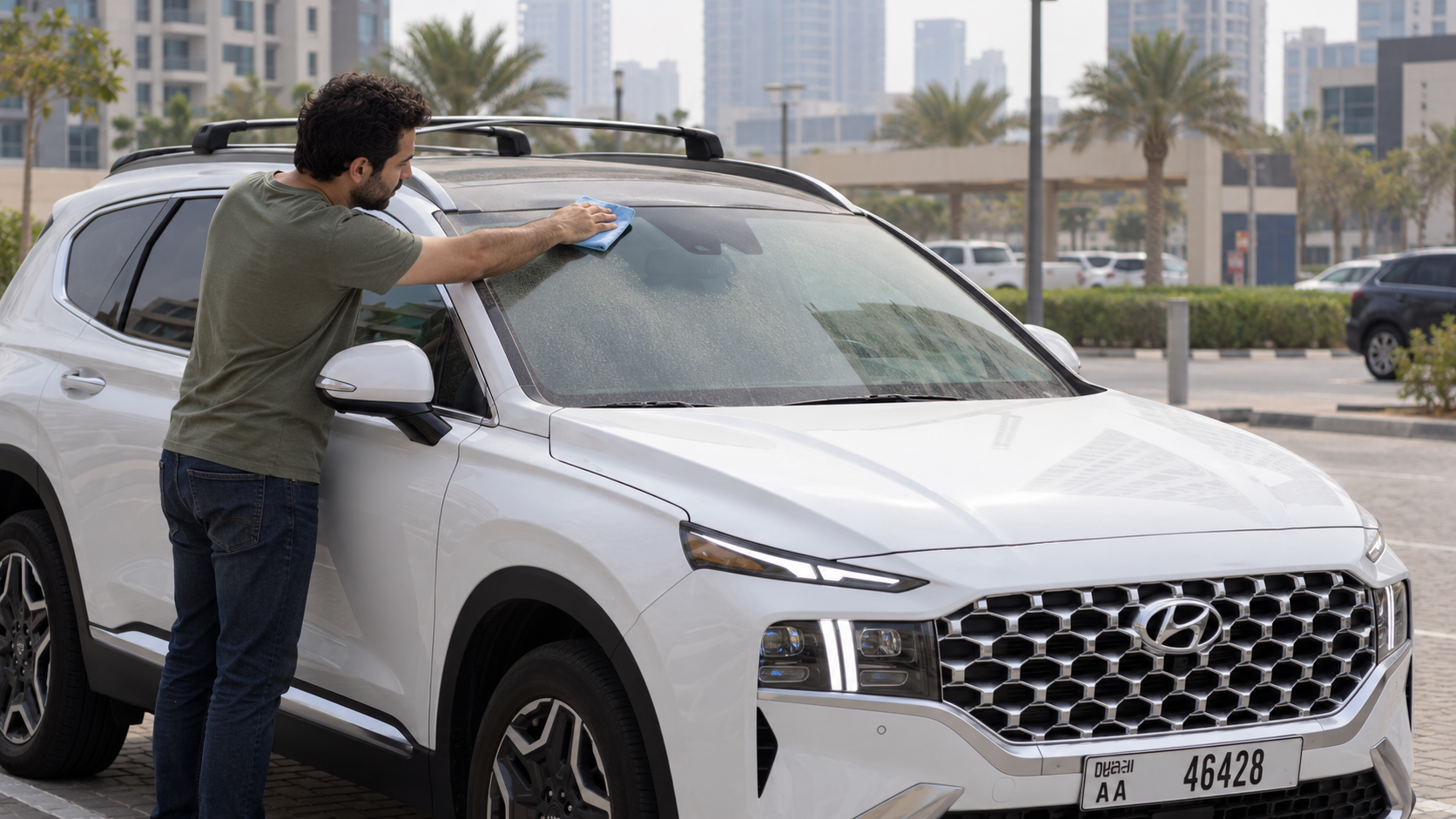
The system sees the road with a radar behind the front badge or the bumper and often a camera near the mirror. If they get covered with dust, sand or dirt, you may see a message like “radar blocked”, and the system switches off. A quick wipe usually fixes it.
Lane departure warning and lane keeping assist
These two are often confused. Lane departure warning only warns you. If the car starts crossing a line without the indicator on, you hear a beep or feel the steering wheel vibrate. Some cars also have lane centring, which keeps the car in the middle of the lane all the time when adaptive cruise is on. But your hands must stay on the wheel. If the car feels no hands for several seconds, it will warn you and then switch the help off.
The camera requires clear road markings to function. On roads with fresh asphalt, worn-out lane markings, or in areas where roadwork is taking place, the system may not function correctly or may switch off entirely. If you feel an unexpected input through the steering wheel, do not panic or try to resist it – simply continue to steer the vehicle as usual.
Blind spot monitoring and rear cross-traffic alert
Every car has blind spots, areas next to and just behind you that you can’t see in the mirrors. Blind spot monitoring uses small radars in the rear bumper to watch them. When another car is there, a light comes on in the side mirror. If you switch on the indicator at that moment, the light flashes and the car beeps.
This is one of the most useful systems on wide, multi-lane roads, where vehicles can overtake from either side. However, the light signal is merely an aid, not an explicit authorization to act. Before changing lanes, it is always a good idea to take a quick look over your shoulder.
Rear cross-traffic alert uses the same radars when you reverse. In a parking lot, when you back out between two big SUVs, it warns you about cars coming from the side long before you can see them.
Automatic emergency braking
This system operates unobtrusively in the background – and, hopefully, never makes its presence known. Using a camera and radar, it monitors the road ahead. If the vehicle in front of you comes to a sudden stop and you fail to react, the system will first alert you with an audible signal and a red indicator on the dashboard. If you still do not apply the brakes, the system will do it for you – sometimes quite abruptly.
Many systems also recognise pedestrians and cyclists, and some react at junctions when you turn across oncoming traffic. They can’t prevent every crash, especially at high speed, but they often turn a serious accident into a small one, or avoid it completely.
Sometimes the system reacts to things that are not a real danger, such as a car turning off the road ahead or a metal plate on the asphalt. Don’t switch the system off because of one false alarm. It is there for the one moment when you look away at the wrong time.
Small helpers you meet every day
In addition to major systems, modern cars also feature several smaller ones. They may be less noticeable, but you will use them on every trip:
- Traffic sign recognition. A camera reads speed limit signs and displays the current limit on the instrument panel. This is convenient, but the system may miss a sign or read one, that applies to a side road. The actual road sign always takes precedence.
- Speed limiter. You set a maximum speed, and the car won’t go faster even if you press the pedal. In most cars, pressing the pedal hard to the floor overrides it.
- Auto hold. Press the button marked AUTO HOLD, and the car holds itself still at red lights, so you can take your foot off the brake. Touch the accelerator, and it moves off.
- Start-stop. The engine switches off at traffic lights to save fuel and starts again when you release the brake. In very hot weather, it often keeps the engine running so the air conditioning keeps working. You can turn it off with the button showing the letter A inside a circular arrow.
- Parking sensors and 360-degree cameras. The beeps get faster as you get closer to an obstacle, and the camera shows the car from above. They are a big help with low bumpers and tight underground car parks.
What these systems can’t do
All these assistants have the same weak points. They depend on cameras and radars, so heavy rain, fog, a sandstorm, low sun in the windscreen or a dirty sensor can make them blind. They also expect a normal road with clear lines and predictable traffic. In unusual situations, like roadworks with temporary lanes or a police officer directing traffic, they simply don’t understand what is happening.
That is why the name says “assistance”, not “autopilot”. Almost all systems in today’s cars still need the driver to watch the road and keep their hands on the wheel. If something goes wrong, the driver is responsible, not the car.
The best way to get used to these systems is simple: try each one out on a quiet road first – this will help you understand how the vehicle reacts to them. Once you’re familiar with what the various audible and visual signals mean, driving a modern car will become a calmer and safer experience. And if you’re ever unsure about what a particular button in one of our vehicles does, just ask when you pick up the car. We’ll explain everything in just a couple of minutes.


