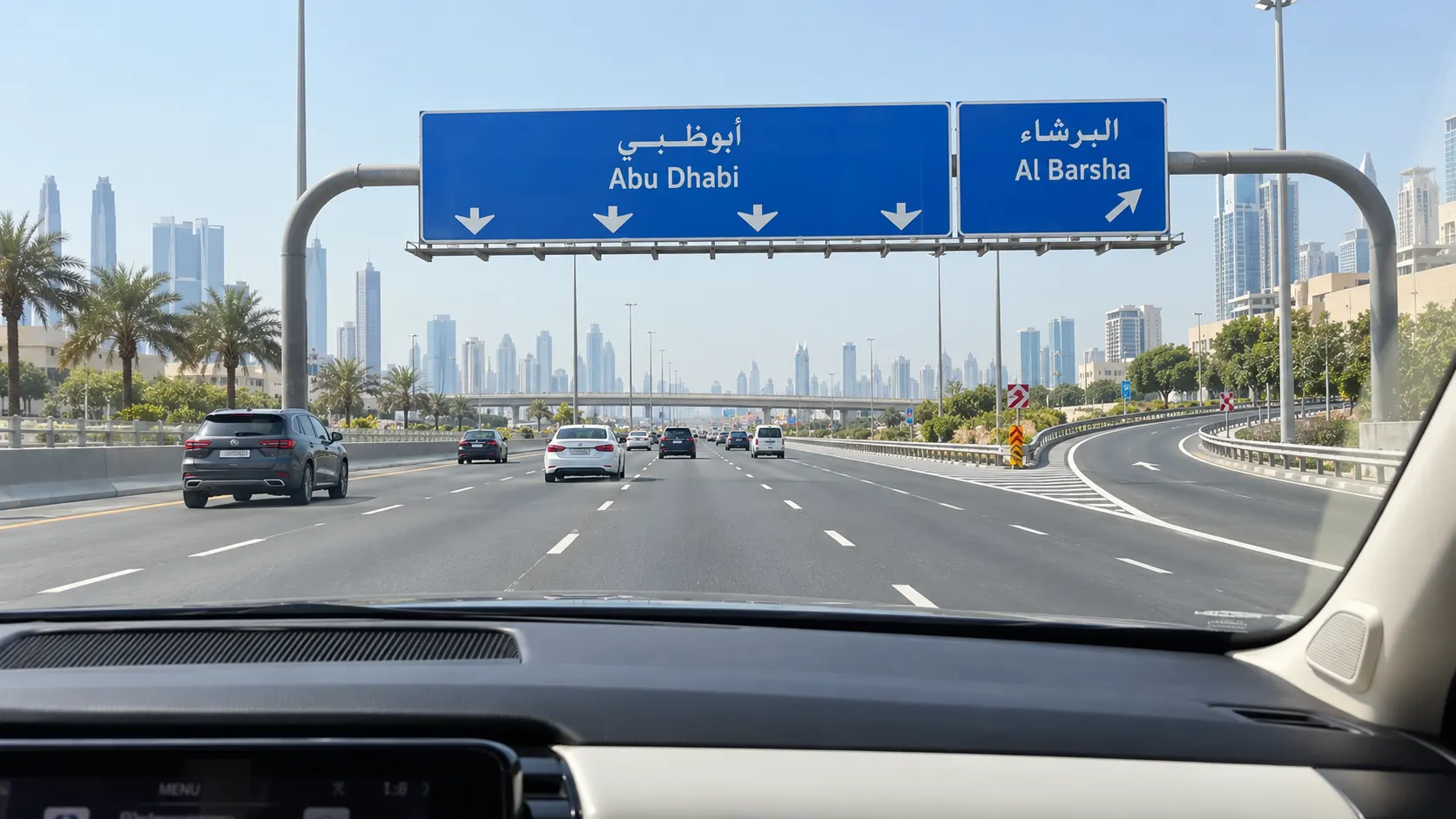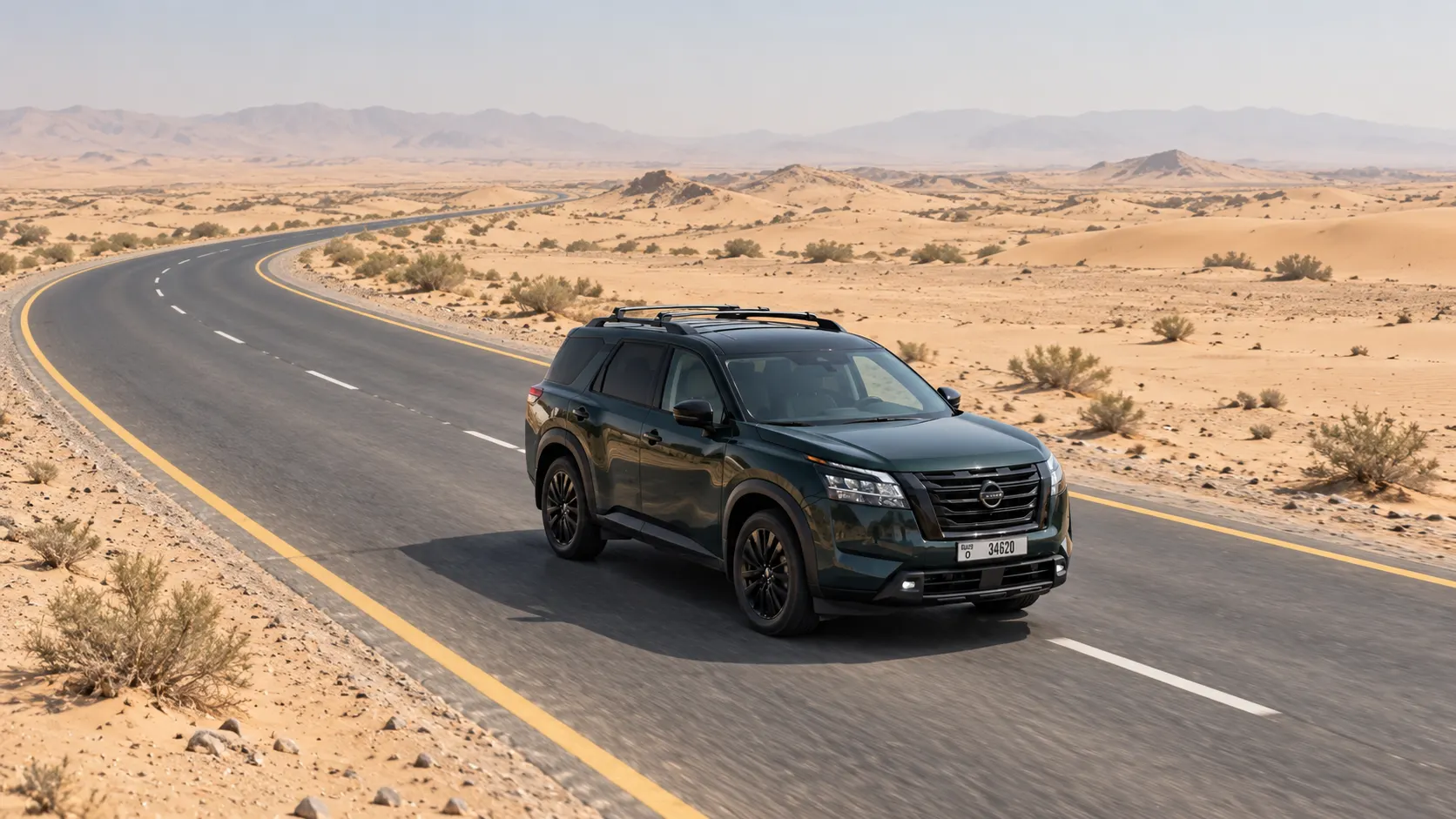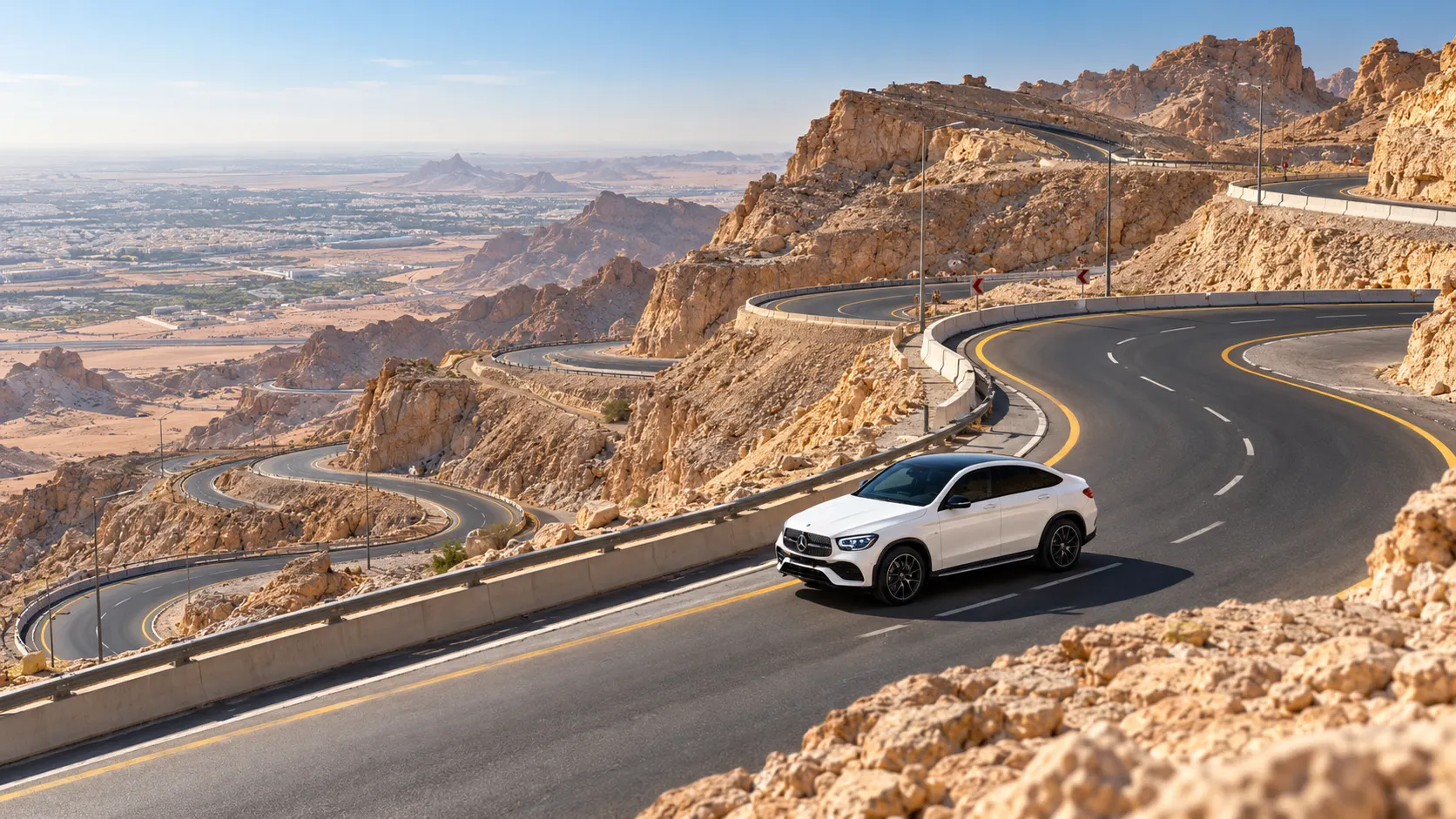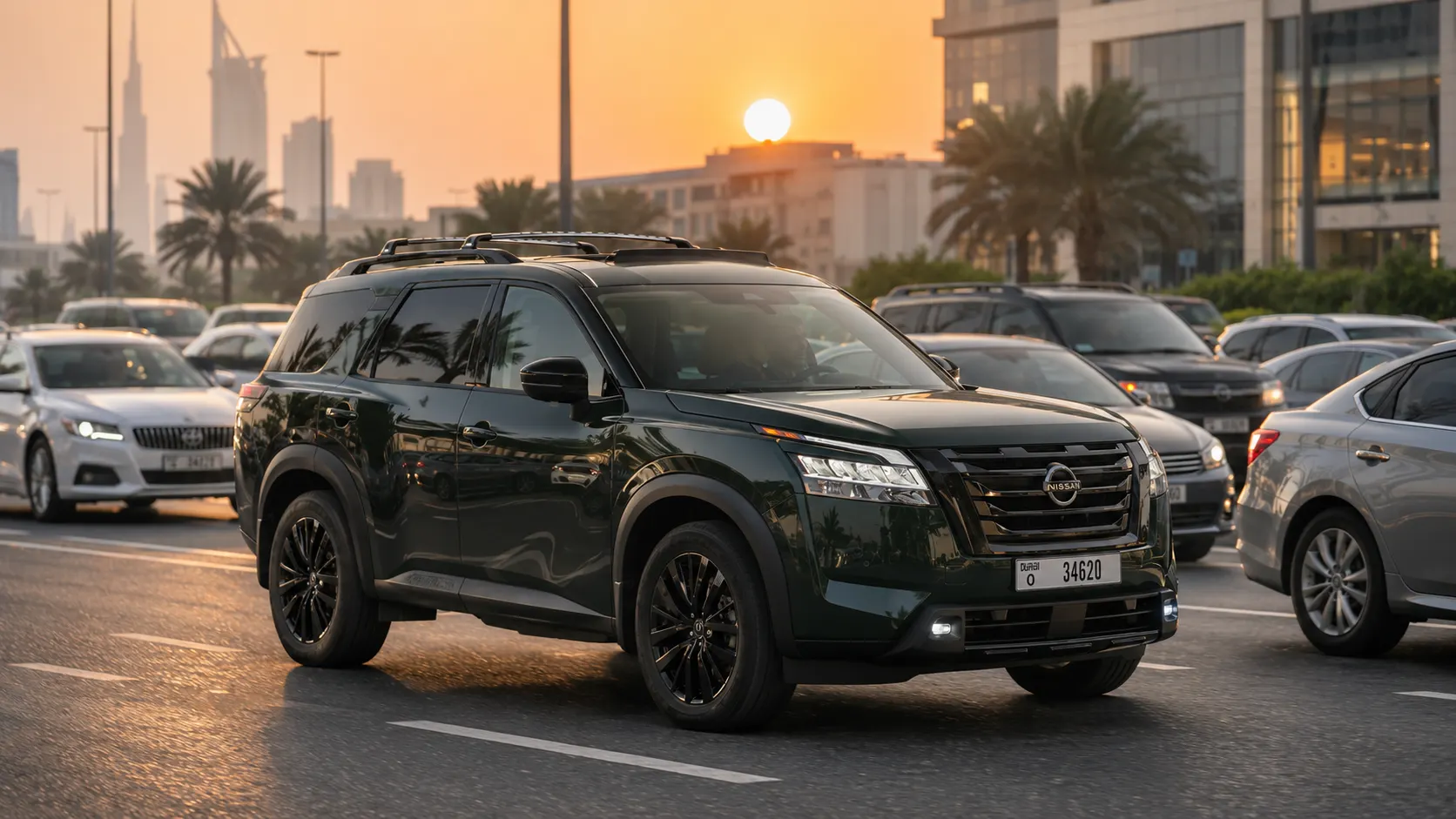
Every year, a few days before Ramadan, the same question starts coming into our WhatsApp: "Can I still drive normally during the holy month?" Yes. Nothing closes, the roads stay open, and renting a car works exactly as it does in any other month. What changes is the clock. Traffic moves to different hours, parking and Salik switch to a Ramadan schedule, and for about half an hour every evening the roads behave in a way you won't see the rest of the year.
In 2027 Ramadan is expected to begin on Monday, 8 February, with Eid Al Fitr on 9 or 10 March. The final dates depend on the moon sighting, so they are confirmed only the evening before. Below is what we tell our own clients before they drive off during the month.
The working day gets shorter, and rush hour moves
During Ramadan, UAE law cuts the working day. Private-sector staff work two hours less, whether they fast or not. In 2026, federal government offices ran from 9am to 2:30pm Monday to Thursday and closed at noon on Friday, and private schools were limited to five hours a day.
That shifts the traffic. Mornings get lighter, since many offices open at 9 or 10. The afternoon peak comes early and arrives all at once, somewhere between 2pm and 4pm, when offices and schools let out within the same hour or two.
The numbers back this up. Al Wathba Insurance and Road Safety UAE went through 2,771 insurance claims from Ramadan 2025. The worst two-hour window for accidents was 2pm to 4pm, with 17% of all claims, followed by 4pm to 6pm with 15%. Mondays and Thursdays were the most dangerous days of the week, and Sundays the calmest.
If your plans are flexible, use the morning for errands and leave long cross-city drives for after 8pm.
The half hour before iftar
Iftar is the meal that breaks the fast at sunset. In Dubai it falls at about 6:15pm at the start of Ramadan 2027 and closer to 6:30pm by the end. In the last thirty minutes before it, thousands of people who haven't eaten or had water since dawn are trying to get home at the same moment.
Dubai Police repeat the same warning every year: most Ramadan crashes in the city happen shortly before iftar. The causes don't change either. Mostly it's speed, and cars that sit a metre from your bumper.
From behind the wheel it looks like this: headlights flash in your mirror on Sheikh Zayed Road, and a car cuts into a gap that wasn't really there. You can't control other drivers, but you can decide where you are at 5:45pm.
Sunset: the emptiest roads of the year
Then comes the call to prayer, and for ten minutes, the city falls quiet. For about half an hour after sunset, the roads - usually congested at any other time - can appear almost empty. If you are not fasting, this is the best time of day to travel across Dubai: the journey from the Dubai Marina area to Deira - a route that typically involves sitting in traffic in the evenings - can often be completed without any delays.
At some busy junctions, officers or volunteers walk between the lanes at a red light and hand drivers a small box with dates, water and a snack. This is the Dubai Police campaign Ramadan Without Accidents. The idea is simple: if people can break their fast in the car, fewer of them will race home. In 2026 the meals were handed out at seven points, including the City Walk junction, Al Satwa Roundabout and the area by Madina Mall.
Take the box with a smile and a "shukran". Nobody expects anything back, and plenty of fasting drivers open theirs right there at the lights.
After iftar: late nights and busy mosques
By 7:30 or 8pm the city wakes up again and stays up late. People drive to Taraweeh, the evening prayers at the mosque, then on to family visits, suhoor gatherings and the malls. In 2026 several Dubai malls stayed open until 1am, with restaurants serving until 2am. Traffic at 11pm can look like a normal weekday at 6pm.
Dubai Police have also named the time after Taraweeh, from about 10pm, as a second window when crashes pile up. Sleep has a lot to do with it. People who fast tend to eat late, wake up for suhoor before dawn and get through the day on less rest than usual. Expect slower reactions from the cars around you, and be honest about your own. After a long day, a taxi home costs less than an accident.
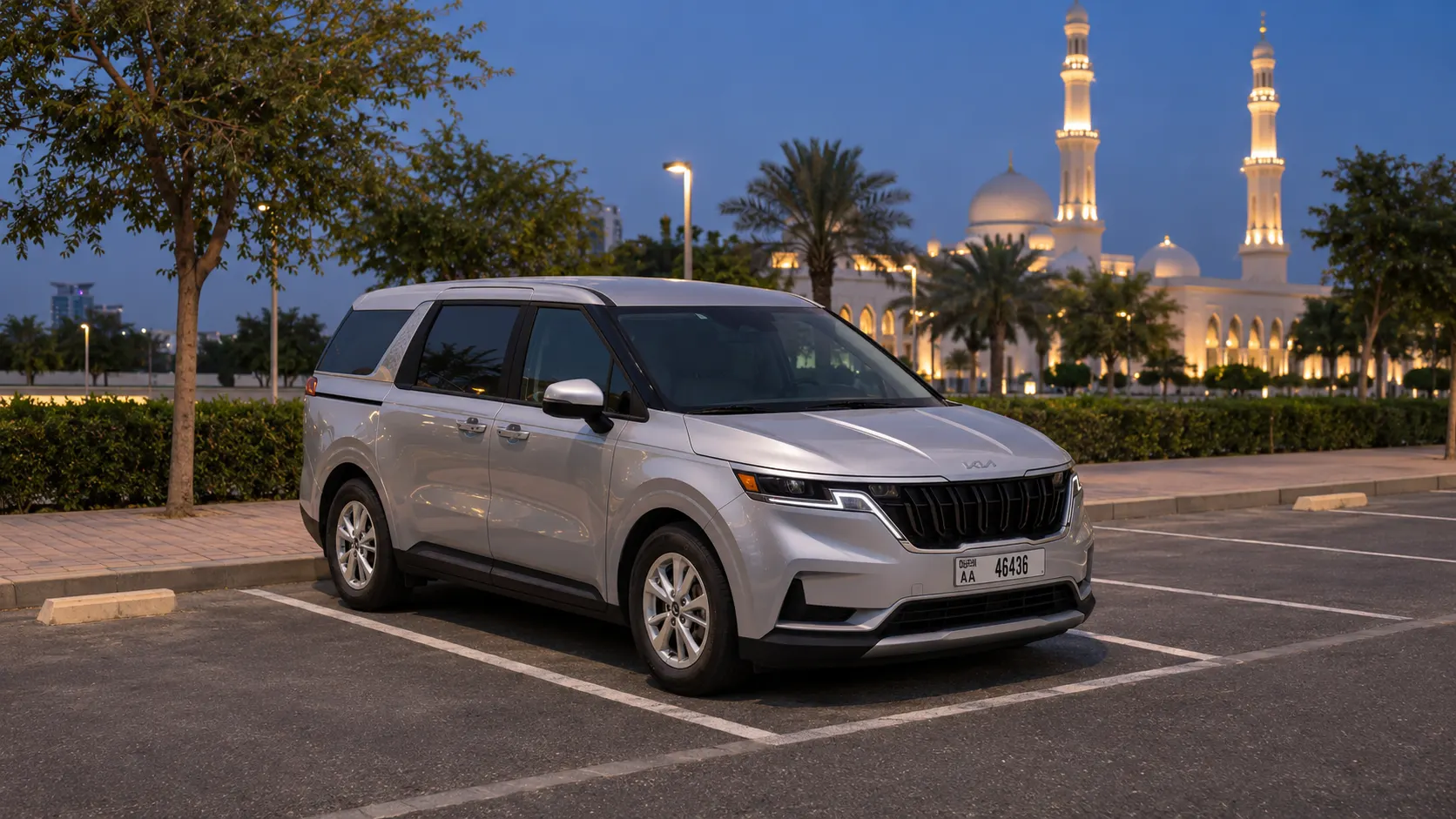
Mosques are where you'll see the most inventive parking of the year, especially in the last ten nights of Ramadan when attendance peaks. Cars fill every bay and then spill onto the kerb. In 2026 Parkin made the mosque parking zones (marked M and MP) free around the clock for the whole month, which helps, but those spaces go first. If you park nearby, make sure nobody can box you in, and don't leave the car anywhere it blocks a lane or another vehicle. Those fines don't take a month off.
Parking and Salik run on a Ramadan timetable
Both paid parking and Salik switch to special hours for the month. The RTA usually publishes them a few days before Ramadan begins, so the 2027 schedule isn't out yet. Last year Salik cost AED 6 per gate from 9am to 5pm and nothing between 2am and 7am. Street parking was free from 6pm to 8pm, then paid again until midnight.
On our cars, Salik is charged to the tag on the windscreen and added to your final bill, the same as in any other month, so the Ramadan rates apply on their own. Parking you pay yourself through the app or by SMS, so read the sign in the zone. The free two hours around iftar cover street and surface parking only. It's easy to park for free at 6:30pm, sit down to iftar with friends and forget that the meter comes back on at 8pm.
Eating, drinking and music in the car
Visitors aren't expected to fast, and the UAE has relaxed its rules on eating in public a lot over the past few years. Restaurants and food courts work through the day. Still, in daylight hours it's good manners not to eat, drink or smoke in front of people who are fasting.
The car sits somewhere in between. A sip of water while you're stuck in traffic won't get you into trouble. A full shawarma at a red light, window down, next to a taxi driver who hasn't had a drink since 5am, is another story. Keep it discreet, or wait until you've parked.
Music is fine inside the car, but turn it down when the windows are open, and switch it off when you pull up near a mosque. Go easy on the horn as well. By late afternoon many drivers are hungry and short on patience, and a long blast is more likely to start an argument than clear the lane.
Eid Al Fitr
Ramadan ends with Eid Al Fitr, a public holiday of several days, expected around 9 or 10 March 2027. Eid morning starts with prayers and family visits, and by the afternoon the roads to the malls and beaches fill up. Many residents use the long weekend for a trip out of town, so if you're heading to Hatta, Ras Al Khaimah or Oman, leave early.
Dubai usually makes public parking free over Eid. In 2026 the RTA waived fees in all public zones from the first to the third day of the holiday, with multi-storey car parks the only exception. Abu Dhabi went further and switched off its Darb toll gates for four days.
During the Eid holiday, the demand for car rentals also spikes. In our experience, seven-seater vehicles and large SUVs - ideal for family weekend trips - are the first to be snapped up, so, if you need one, be sure to book it a week or two in advance.
Renting with us during Ramadan
Nothing about the rental itself changes in Ramadan. The documents and the deposit rules are the same as in any other month. The one thing worth planning is timing. If your flight lands at 5pm, or you need to hand the car back in the early evening, message us on WhatsApp and we'll set a delivery or pickup time that keeps you off the road in the last half hour before iftar.
Ramadan Kareem, and drive safe.